Will Synthetic Urine Pass a Sugar Test? (3 Steps Explained)

Workplace urine tests serve a variety of purposes, including identifying illicit drug use and diagnosing underlying medical conditions. For example, these tests can reveal early liver or kidney disease and diabetes indicators.
While there is no foolproof method of passing these tests, using synthetic urine is one way of achieving this goal. But can you use synthetic urine to pass a sugar test? If so, how?
To answer these questions, I ran synthetic urine through actual sugar tests to gauge how well it holds up.
Here’s all you need to know.
Quick Summary
- You can avoid failing a test by choosing a synthetic urine brand that does not contain sugar.
- Adding a few drops of real urine to your synthetic sample will make the results more accurate.
- Diabetes medicines can also influence the results of synthetic urine, so you must be cautious.
What Is a Sugar Test?
 A sugar test is a type of urinalysis that checks for glucose in the urine. Healthcare providers use it as a screening tool to help identify or monitor diabetes and other metabolic conditions. Unlike drug tests, sugar tests measure a specific biological marker that should be either absent or present within a narrow range in healthy individuals.
Some individuals worry that urine tests might reveal medical conditions like diabetes in employment contexts. While synthetic urine is sometimes marketed as a solution, it’s important to understand both its limitations and the legal risks. Employment discrimination based on medical conditions is illegal under the Americans with Disabilities Act (ADA), which may provide legal protections regardless of test results.
Synthetic urine is occasionally used in attempts to pass various tests, including urine drug tests, glucose tests, and pregnancy tests. Quality synthetic urine products typically contain pH levels, creatinine, urea, uric acid, and other compounds meant to mimic real urine. However, most synthetic urine lacks actual glucose, so a sugar test—which directly detects glucose—will immediately flag the sample as abnormal. Modern laboratory testing has also become increasingly sophisticated at identifying synthetic samples through biomarker panels.
It’s critical to note that using synthetic urine is illegal in many states, and doing so can result in serious legal consequences including criminal charges. Before considering any form of urine test interference, you should thoroughly research the laws in your jurisdiction and consult with a legal professional about your rights and options.
Types of Diabetes Tests
A urine test may detect various things, including glucose, ketones, and protein [1].
1. Glucose
Glucose is never found in urine. When a person has diabetes, however, glucose can flow from their kidneys into their urine and be detected. You can use synthetic urine to pass a sugar test since it doesn’t contain any glucose.
2. Ketones
Ketones are then released from the liver and enter your circulation, where they’re burned as fuel to power the body’s metabolism and function. When insulin levels are low, the body generally needs ketones.
Since synthetic urine contains no ketones, it also won’t show up as having them in a sugar test.
3. Protein
Doctors might test for protein in the urine to monitor for kidney problems. However, synthetic urine contains no protein, so it will not test positive during a sugar test.
Who Should Have a Urine Test for Diabetes?
 Those who should have a urine test for diabetes are people who have symptoms of the disease. Your doctor may perform a urine test during routine checkups.
A lab technician will examine your urine for glucose and ketones.
Some diabetes medications, like canagliflozin (Invokana) and empagliflozin (Jardiance), can cause sugar levels to increase [2].
These medications can also impact synthetic urine results if you add drops of your real urine with the sample, so you must be careful.
Can You Use Synthetic Urine to Pass a Sugar Test?
Yes, you can use synthetic urine to pass a sugar test. However, you must ensure that your synthetic urine does not contain any sugar. If you use synthetic urine that contains sugar, the test will have a positive result.
You can avoid this by choosing a synthetic urine brand that does not contain sugar.
“Urine tests aren’t ever used to diagnose diabetes. However, they may be used to monitor a person’s urine ketones and glucose levels. Sometimes they’re used to ensure diabetes is managed properly.” – Dr. Marina Basina, Endocrinologist
3 Steps to Pass a Sugar Test with Synthetic Urine

To pass a sugar test with synthetic urine, you must follow the following steps.
1. Choose the Right Brand
You must choose a brand that includes components that mimic real human urine. Most importantly, you must make sure that these components do not include glucose or sugar. You need to look for the components of ammonia, urea, uric acid, pH balance, creatinine, and specific gravity.
2. Add Real Urine to the Synthetic Urine
Adding a few drops of real urine to a synthetic urine sample will make it more authentic.
3. Keep the Temperature Right
Keeping the temperature right is the most critical part of using synthetic urine to pass a sugar test. You can use a heating pad to keep the urine warm.
FAQs
Can a Lab Tell If You Use Someone Else’s Urine for a Drug Screen?
No, the lab can’t tell if you use someone else’s urine for a drug screen. The only way they can detect falsehood is if the sample is not at the right temperature, which is why some people use straps and a heating pad to keep it warm.
Is Synthetic Urine Detectable?
No, synthetic urine is not detectable as long as it has the same compounds and density as real urine.
Why Do I Need Glucose in Urine Test?
You need glucose in a urine test because it is a simple way to test for diabetes. The test can also be used to monitor diabetes or to check for kidney problems.
Do You Have a Sugar Test Coming Up?
You can use synthetic urine to pass a sugar test. I was able to do it with no problem whatsoever.
However, you must ensure that your synthetic urine does not contain sugar. If you use synthetic urine that contains sugar, the test will show positive for sugar.
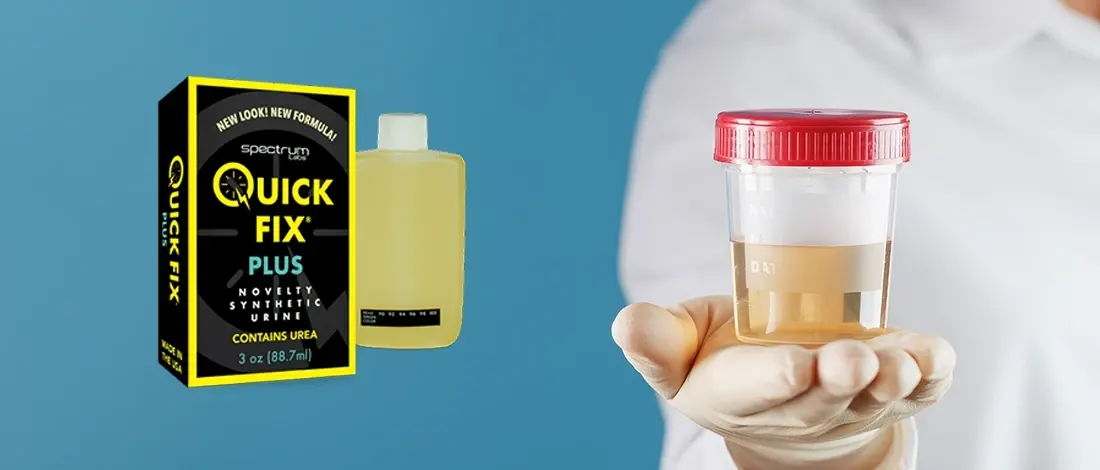
That is why I suggest you check out Quick Fix 6.3 Synthetic Urine. It comes pre-mixed, making it easy to use in an emergency urine test, and it contains all the necessary ingredients to beat a sugar test.
References:
- https://www.medicalnewstoday.com/articles/319712#types
- https://www.medicalnewstoday.com/articles/326007